
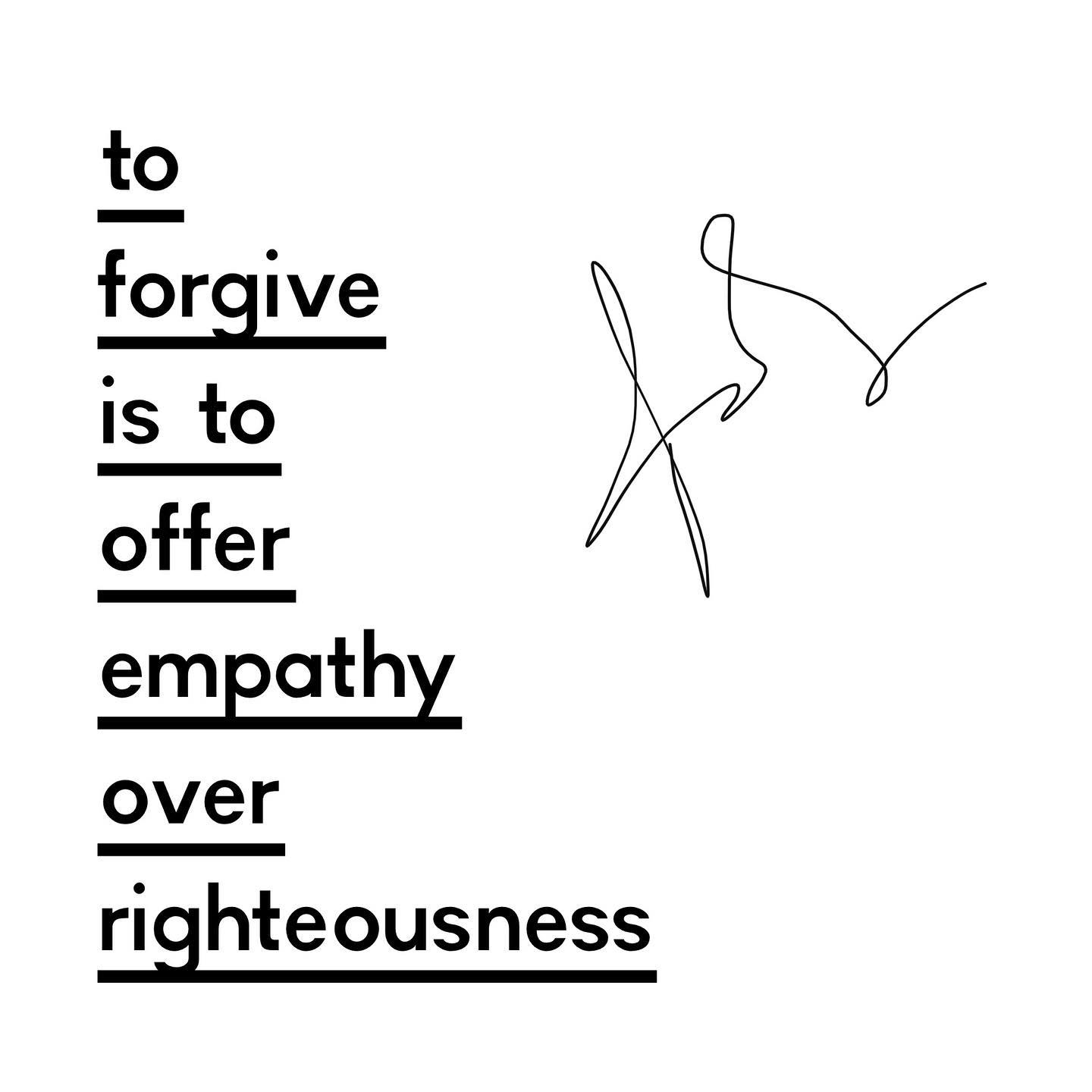
How to forgive someone feels like an impossible question when you’re still operating from fear, anger, or feeling misunderstood. The very idea of letting go seems like a betrayal of yourself.
I like to be right. I do my best to weigh all perspectives in an attempt to align myself with some kind of moral rightness. But I’m also keenly aware when I want to make someone else wrong rather than understand their experience.
The Cost of Being Right
My need to have others see the world the way I see it prevents me from connecting with others at a deeper level. A level that could offer us both healing. A level that requires me to soften instead of harden.
Revenge feels satisfying in the moment. But the satisfaction is temporary. What follows is usually regret, resentment, or a deeper sense that I’m powerless. The hit of righteousness wears off quickly, leaving you emptier than before.
Learning how to forgive someone, on the other hand, is permanent freedom. Not freedom from what happened, but freedom from letting it control you.
What Forgiveness Actually Is
Forgiveness isn’t saying what happened was okay. It isn’t letting someone off the hook. It isn’t pretending you weren’t hurt. It isn’t even reconciliation.
How to forgive someone starts with understanding what forgiveness actually is: releasing your attachment to needing the other person to be wrong. It’s recognizing that holding onto resentment hurts you more than it hurts them.
It’s choosing your own peace over their punishment. They may never know you’ve forgiven them. They may never change. That’s not the point.
Why Forgiveness Is Hard
Here’s the truth that makes forgiveness difficult: we use resentment for something. It serves a purpose. It keeps us feeling powerful when we felt powerless. It keeps us separate when intimacy feels dangerous.
Letting go of resentment means letting go of that protection. It means feeling vulnerable again. It means accepting that we can’t control whether we get hurt.
That’s terrifying. No wonder we hold on so tight.
The Practice
Think of someone you haven’t forgiven. Notice how holding that resentment feels in your body. Notice the tension, the tightness, the weight. That’s not them carrying that burden. That’s you.
Now imagine setting it down. Not because they deserve it. Because you do. Because you’ve been carrying something heavy for long enough.
That’s how to forgive someone who hurt you. It isn’t about them at all. It’s about reclaiming the energy you’ve been spending on making them wrong. That energy is now available for something better.
The Real Power
Forgiveness isn’t weakness. It’s the opposite. It takes strength to put down a weapon you’ve been using to feel safe. It takes courage to be vulnerable again.
That’s why forgiveness is more powerful than revenge. Revenge gives you a moment. Forgiveness gives you your life back. It returns you to yourself, whole and free.
This is shadow work in action.
If you’re ready to process what’s been running your life, explore the Shadow Work practices.