
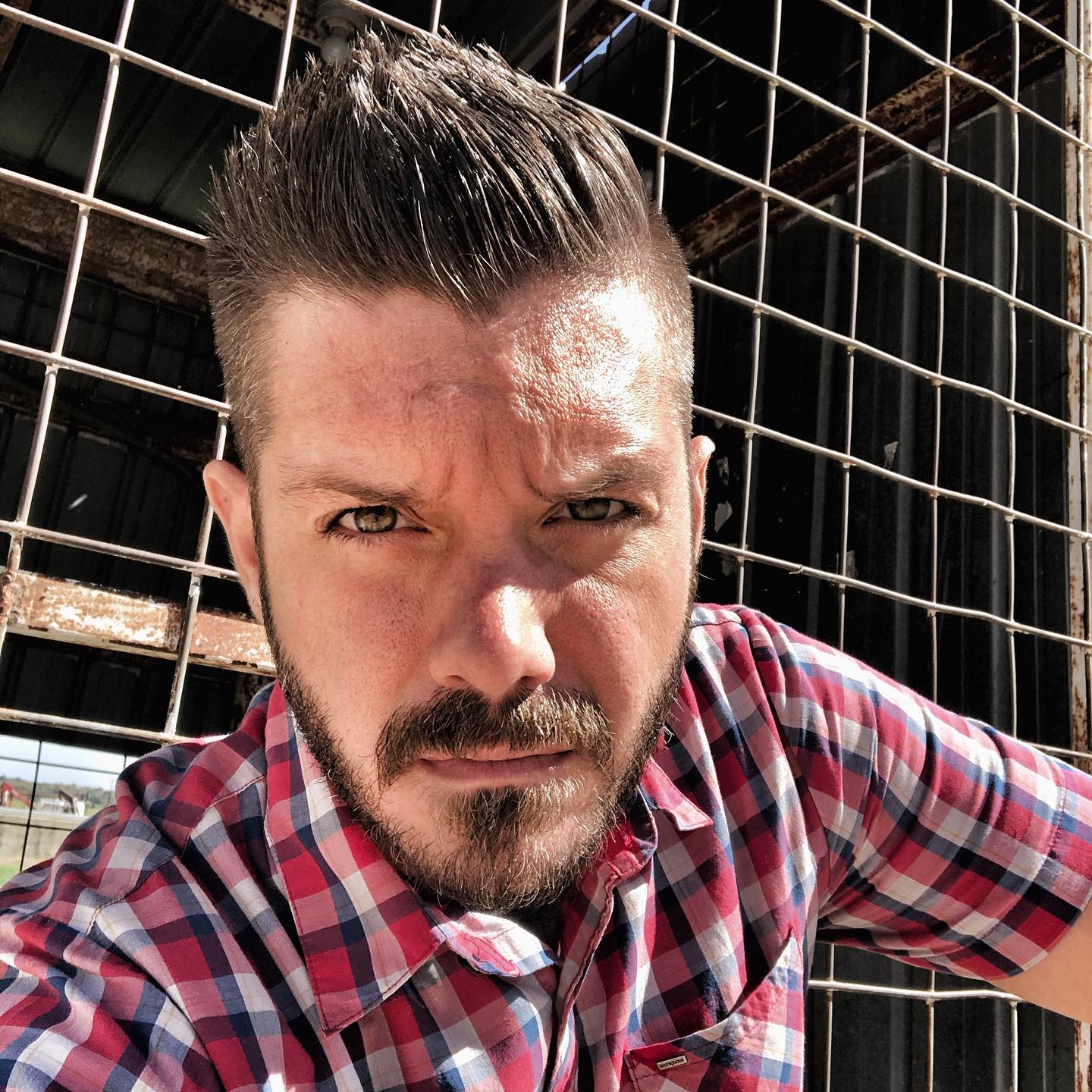
This is the face of an alcoholic.
I never really wanted to say that out loud because I didn’t think I really was one. But the power of surrender changed everything.
Admitting it publicly still feels strange. But strange and honest beats comfortable and in denial.
When Casual Drinking Stopped Working
I was sober for nearly five years and decided I’d start drinking casually again. You can guess how that turned out.
Now I’m approaching another three years of sobriety and it hasn’t been easy. Not because I want to drink, but because of all the other impulsive desires that point to an alcoholic lifestyle.
The drinking was never really the problem. It was a symptom. The problem was the need to escape, to numb, to avoid whatever I didn’t want to feel. Take away the drink and those needs are still there, just looking for a new outlet.
The Emotional Work I Kept Avoiding
I hadn’t wanted to do the deep emotional work. I thought quitting drinking was just a willpower thing.
We resist the truth because the truth is often uncomfortable. When I quit drinking, I went on a very long journey through spirituality, metaphysics, and philosophy to figure out what was wrong with me.
Turns out wrong wasn’t accurate phrasing. What I was seeking was awareness about my addiction to control.
I wanted to control how I felt. I wanted to control how others saw me. I wanted to control outcomes. The alcohol was just one tool in a much larger control strategy. And that strategy was exhausting me.
Why the Twelve Steps Finally Made Sense
And that realization allowed me to turn a corner and approach a teaching I hadn’t dared go near: Alcoholics Anonymous.
I had a bad experience with AA in my early 20s. Now, almost 15 years later, I’m revisiting the twelve steps and this time it just seems so beautiful.
Something quickly jumped out at me once I revisited these. I had been unconsciously doing the steps in reverse so that I could finally accept Step 1.
My ego needed to find God before it could admit powerlessness. Backwards, maybe. But it got me there.
Finding Power in Powerlessness
My ego wouldn’t allow me to be powerless. And in that firm stance, I wasn’t allowing the healing power of surrender to find me.
Step 1: We admitted we were powerless over alcohol, that our lives had become unmanageable.
Replace the word alcohol with emotional addictions and everyone can benefit from the twelve-step program. We’re a nation of addicts. There’s power in surrender.
Working through a step one AA worksheet doesn’t have to be about alcohol at all. It can be about anything you’ve been gripping too tightly, anything you’ve been trying to control into submission.
Control, achievement, validation, distraction. We’re all addicted to something. The substance is almost irrelevant. It’s the underlying need that matters.
This is shadow work in action.
If you’re ready to process what’s been running your life, explore the Shadow Work practices.