
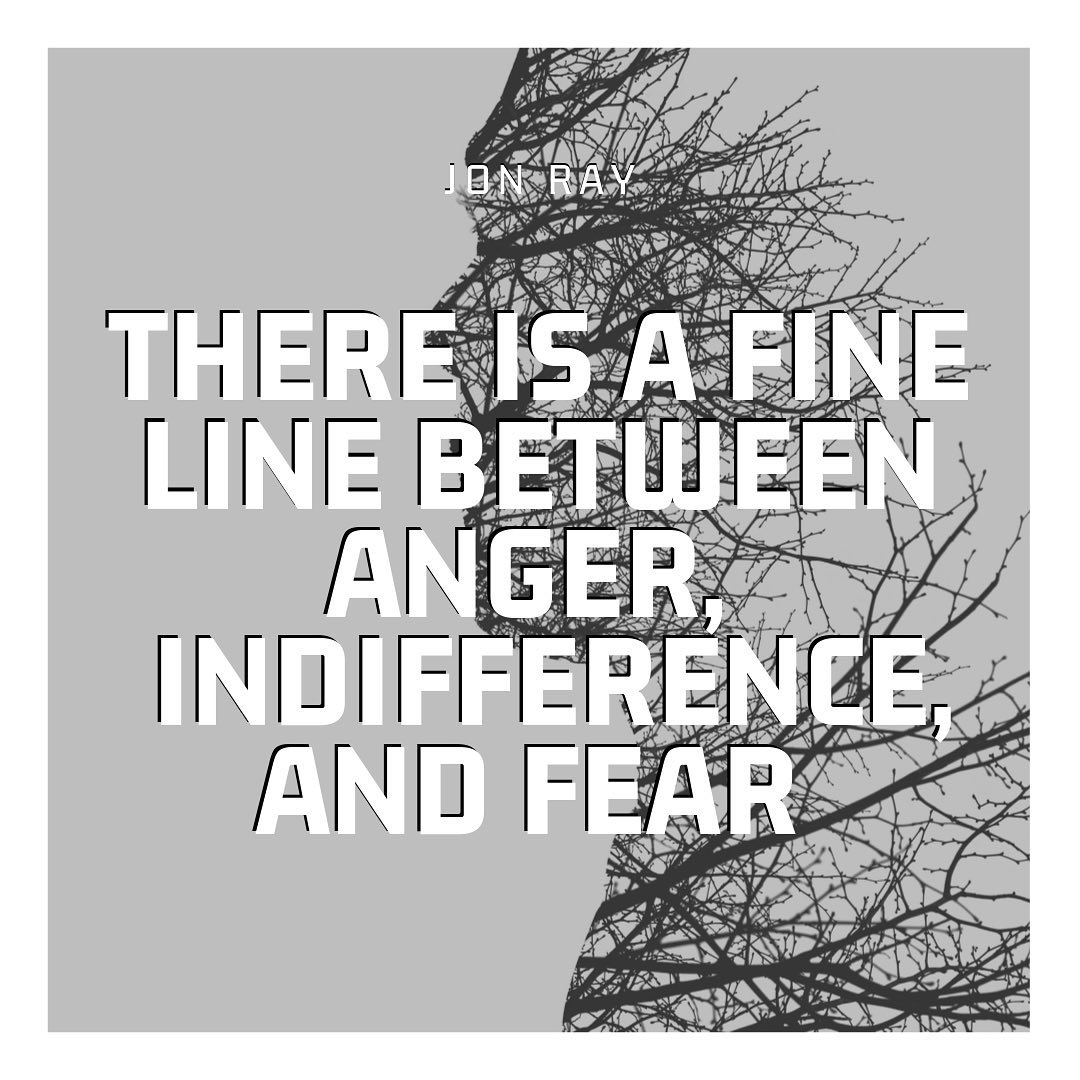
My anger and my indifference are ways to never have to acknowledge my fear.
There’s a fine line between anger and fear. They often show up together, trading places depending on what feels safer in the moment. And when neither feels safe, indifference takes over.
The Courage to Actually Feel It
But when I have the courage to feel through my anger and fear, something shifts. There’s something so intensely benevolent on the other side that I can’t imagine ever sitting in apathy again.
The apathy was protection. The anger was protection. Even the fear was protecting something deeper. But protection from feeling isn’t the same as healing.
Processing Anger in a Healthy Way
Processing anger in a healthy way means recognizing that anger isn’t the core emotion. It’s a secondary response to something more vulnerable underneath.
When we’re willing to sit with anger long enough, it often reveals fear. Fear of rejection. Fear of not being enough. Fear of losing something we love.
And when we sit with that fear without trying to fix it or run from it, we find what’s even deeper: hope. Desire. The thing we actually want.
The Layers Beneath
Anger is often the armor we wear to avoid feeling hurt. It’s easier to be mad at someone than to admit they have the power to wound us. It’s safer to rage than to grieve.
But that armor becomes a prison. The very thing meant to protect us ends up isolating us. We push people away with our anger, then feel justified in our loneliness.
The path through requires removing the armor. It means letting ourselves be vulnerable enough to feel the hurt. It means admitting that we care, that we’re affected, that we’re not as invincible as we pretend.
Why This Matters
No emotion lasts forever. When I feel through what I’m feeling at the deepest levels, I find pure desire and hope on the other side.
Not the hope that bypasses the pain. The hope that comes from having moved through it.
This is what healthy emotional processing looks like. Not avoiding anger, not acting it out, but letting it be the doorway to something truer.
The Practice
Next time anger rises, don’t push it away. Don’t justify it either. Just notice it. Stay with it.
Ask yourself: what’s underneath this? What am I afraid of?
And then ask: what do I actually want here?
The answer might surprise you. It usually does.
Sometimes the anger is covering grief. Sometimes it’s masking loneliness. Sometimes it’s hiding a deep need for recognition or respect. Whatever is underneath, that’s where the real work is.
Processing anger in a healthy way isn’t about becoming passive or suppressing your fire. It’s about channeling that energy toward what actually matters. It’s about transforming reaction into response, explosion into expression.
This is shadow work in action.
If you’re ready to process what’s been running your life, explore the Shadow Work practices.